TikTok Shop has become a larger part of product discovery for small businesses, but that opportunity has also made launch strategy more complex.
U.S. small businesses on TikTok Shop increased sales by 66% in 2025, while the platform counted more than 215,000 active small-business sellers in the market. The discovery advantage is clear: a TikTok Shop-commissioned GlobalData report found that 67% of consumers use the platform to find new products and brands, and 70% have purchased a product recommended by a creator.
For new sellers, the challenge is less about whether creator-led commerce can work and more about how to generate momentum before the platform has enough content and conversion signals to optimize.
In this roundtable, 20 creator marketing professionals explain how brands should sequence affiliate recruitment, paid creator partnerships, incentives, and GMV Max spend during a TikTok Shop cold start.
Cold start on TikTok Shop is a sequencing problem, and most brands sequence it backwards.
Step one is paid partnerships, not affiliates. 15 to 25 mid-tier creators in the first 30 days, flat fees, full usage rights, aggressive content quotas. You’re not chasing ROAS yet. You’re feeding the algorithm enough signal to figure out who your buyer is.
Step two is affiliates, opened only after the paid content has shown you which hooks, formats, and creator profiles actually convert. Open programs launched cold are noise. Open programs launched with proof are gravity.
Step three is content incentives. Seeding, gifted product, performance bonuses for the affiliates that are already pulling weight. The flywheel starts paying for itself here.
Step four is GMV Max. Spending into a cold pixel is how brands convince themselves the channel doesn’t work.
Most brands run this in reverse, blame the channel, and move on. TikTok Shop worked. You just skipped the cold start.
GMV Max isn’t your growth engine. It’s the throttle, and most brands floor it before the car has an engine. The engine is conversion signal: creator content that actually sells. GMV Max just bids behind what’s already working and scales with volume. Point it at an empty library and it either won’t spend, or it burns budget learning nothing.
So the real work happens first: you manufacture the signal, then let automation open it up. Start narrow with one or two hero SKUs. Open an affiliate program early, seed product with eyes wide open that most creators won’t post, and lock a handful of flat-fee partnerships so you’re guaranteed baseline content. Watch what actually converts. As data comes in, graduate the creators who sell into clearer, better deals, and put paid support behind the posts that already move units. Only then do you turn up GMV Max.
This isn’t one-size-fits-all. Price changes the math, credibility and volume pull you in opposite directions, and you have to choose what you’re optimizing for. Brands rarely fail by sequencing wrong. They fail because they never choose what they’re optimizing for, and let the platform decide for them.
Don’t touch GMV Max until you have 15-20 organic videos with real conversion data – the algorithm needs signal before spend means anything. Start by enabling open collabs at 15-20% commission across your top SKUs so creators find you, rather than burning budget on outbound recruitment you can’t yet support. From that inbound activity, identify 3-5 creators who actually drove clicks or sales and lock them in with better rates and direct access – these become your proof points. Once you have that small ecosystem producing content, bring in one or two paid partnerships to buy velocity, not reach. That’s the moment GMV Max becomes a multiplier rather than a money pit.
GMV Max scales what already works. It can’t create the conversion signal it needs to optimize against, so leading with it just buys expensive impressions against an audience the platform hasn’t even started to learn yet.
The key: Sequence for proof, then volume, then scale.
Step 1: I would recommend starting with a small paid cohort. Five to ten mid or micro-tier creators who actually sell. This cohort is paid to produce the first wave of converting content. This should be treated as creative R&D. Brands have the opportunity to buy winning hooks and conversion data, not reach.
Step 2: Open affiliate recruitment around that proof. Affiliates will supply the content volume the algorithm rewards, and they show up when there’s real evidence a product moves. Hand them the hooks that already worked, generous samples, and tight briefs.
Step 3: Layer content incentives on top. Tiered commission, performance bonuses, and creator contests keep volume compounding instead of spiking once and dying.
Let GMV Max have the chance to earn its budget. Feed it proven creative and the conversion signal you’ve built, then let it scale what’s working.
Most brands try to “buy” momentum. When in reality it’s “built”. Proof first, volume second, paid amplification last.
Success on TikTok Shop requires a strict nine-month commitment; if you aren’t patient enough to let the platform compound, don’t bother. Because GMV Max is algorithmic, it cannot function without existing data and assets. Paid ads will not save non-existent content.
Therefore, your cold start must be strictly sequenced. Begin by clearing the algorithmic threshold: post organically five times a week and seed products until you have at least 30 product-tagged videos live. Next, scale content volume by locking in larger creators on three-month retainers. This establishes social proof, attracting smaller affiliates whom you can then gamify using leaderboard competitions with cash prizes for the top ten performers.
Only after building this bedrock of over 100 content assets should you turn on GMV Max. Use the automated system to amplify your highest-converting affiliate videos, allowing the algorithm to optimize spend based on established data. Content feeds the algorithm, and the algorithm feeds GMV Max. It’s a compounding flywheel where content generated today can drive revenue for years to come.
The right cold-start strategy depends entirely on how your buyers actually make decisions. For outdoor, travel, and adventure brands where trust is everything and purchase cycles are typically longer, throwing money at random TikTok Shop affiliates is a surefire way to burn budget and potentially even damage your brand reputation.
Spend more time upfront on creator recruitment, sourcing affiliates who have already built genuine credibility with their audience. That’s why we work with a network of trusted adventure creators: they’re the ones who can actually move the needle on a $500 tent or a $5,000 international trip, because their audience already trusts their judgment. Find the right creators, task them with volume, and then let the algorithm learn, not the other way around.
If you’re selling a lower price point item that typically sees more impulse buys, then by all means start with affiliate recruitment on the TikTok Shop platform. But if you’re selling gear or experiences that require real credibility? Start with trusted talent.
Before launching TikTok Shop, a brand should already have some level of social presence and credibility. Consumers and affiliates are far more likely to trust a shop that has active social channels, consistent content, and a clear brand identity than a completely unknown storefront.
My recommended sequence would be:
Build content volume on your own channels first. Focus on organic TikTok content that aligns with platform trends while clearly communicating your brand values, product benefits, and target audience.
Recruit and activate a small group of carefully selected affiliates. At this stage, quality matters more than quantity.
Focus on retention before scale. Once you’ve identified a group of affiliates who genuinely like the product and are generating results, invest in those relationships. The most successful TikTok Shop brands don’t treat affiliates as one-time promoters. They turn them into long-term brand advocates. This can be done through additional incentives such as higher commission tiers, exclusive campaigns, flat-fee opportunities, early access to new product launches, or other rewards for top performers. In many cases, a smaller group of highly engaged affiliates who genuinely trust the brand will drive stronger and more consistent sales than hundreds of creators promoting the product solely for commission. Building loyalty among your affiliate base creates a flywheel effect: creators continue producing content, customers see repeated recommendations, and the platform receives stronger conversion signals, making it easier to scale through paid tools such as GMV Max later on.
Once you have a foundation of organic content and affiliate activity, start scaling further – through GMV Max, TikTok Shop campaigns, and other paid visibility tools. At that point, you’re amplifying signals that already exist rather than trying to create demand from scratch.
In my experience, a strong cold start is less about spending aggressively and more about building credibility first. Once both customers and creators trust the brand, the platform has much stronger signals to learn from and scale.
A high-performing TikTok Shop cold start is less about finding a viral creator and more about generating enough content and conversion signals for the algorithm to learn quickly.
The sequence matters. Start with a broad affiliate recruitment focused on micro and mid-tier creators. The goal is content volume, audience diversity, and rapid testing, not just immediate revenue. Brands that can identify creators with strong engagement and a proven ability to drive purchase decisions gain an advantage at this stage.
Next, activate a small group of paid creators with a track record of driving TikTok Shop sales. These partnerships provide predictable content output and the initial conversion signals needed to accelerate the platform’s learning phase.
Once creators are active, introduce commission-based incentives tied to sales. Consistent creator activity is critical, and many brands struggle because creator momentum fades after launch.
Only then should brands scale GMV Max. Paid spend performs best when it amplifies proven creator content rather than compensates for a lack of signals. Brands should also look beyond TikTok Shop attribution, as creator content often drives incremental DTC and Amazon sales even when Shop conversions appear modest.
The winning playbook is clear: recruit affiliates first, seed momentum with paid creators, maintain activity through incentives, then use GMV Max to scale what’s already working, and look at full-funnel conversions.
Most brands blow budget on GMV Max before the account has any signal to optimize – that’s the mistake. Start with 10-15 micro affiliates, commission only. Let them post. You’re feeding the algorithm content and early GMV data, not chasing sales yet. Once you have converting videos, layer in GMV Max. Paid partnerships come after, when you can show creators proof it converts. Cold starts fail when brands treat it like a paid media problem. It’s a content seeding problem first.
A credible TikTok Shop cold start in 2026 is less about chasing scale immediately and more about creating enough signal for the algorithm to learn. I would start with a small group of paid creators to guarantee consistent content volume and generate the first conversion events. Once there is proof of performance, affiliate recruitment becomes much easier because creators can see real demand rather than promises.
The next step is layering incentives strategically, rewarding creators who drive sales while avoiding an overreliance on discounts that can distort performance signals. Only after a baseline of content and conversions exists would I increase GMV Max spend, using paid media to amplify proven creative rather than compensate for a lack of creator activity.
The biggest mistake brands make is trying to activate affiliates, paid creators, incentives, and media all at once. The most effective cold starts follow a sequence: create content, validate conversion, recruit affiliates, then scale distribution. Momentum is built through compounding signals, not just budget.
Most new brands launching on TikTok Shop make the same mistake: they spend on GMV Max expecting the algorithm to do the work. The algorithm doesn’t work that way. A credible cold-start strategy requires three things in order: First: creator ecosystem. Before you spend on GMV Max, you need creators who understand your product well enough to make authentic content. That means selective recruitment, not mass hiring. Find 20-30 tier 2-3 creators who already have conversion proof in your category. Pay for content, not affiliation initially. Second: data. Once you have content volume, GMV Max learns which creators convert best, which angles work, which audiences buy. Without prior content volume, GMV Max is wasted spend. Third: scale with data. Once the algorithm understands your account, that’s when you scale with GMV Max and paid partnerships with creators you’ve already tested and proven to work. The mistake is thinking advertising money solves the lack of ecosystem. Money without strategic content is noise. Authentic content from the right creators, followed by smart capital, is what the algorithm actually rewards in 2026.
A credible cold-start strategy in 2026 starts with volume, but not random volume. Brands need to build a controlled content engine before they expect the algorithm or GMV Max to do the work.
The right sequence is: first, recruit a broad base of affiliates with low friction, clear incentives, and strong creative direction. Second, layer in paid partnerships with a smaller group of creators who can produce higher-quality proof points and give the account early credibility. Third, use content incentives to reward creators for posting consistently, not just for driving immediate sales. At the cold-start stage, the goal is to teach the platform what content angles, creator types, and audiences convert.
Only after there is enough signal should brands meaningfully scale GMV Max. Spending too early can waste budget because the platform has not learned which creative or audience pockets are actually working. The best cold starts combine creator volume, fast testing, and disciplined paid amplification once the winners become clear.
A successful TikTok Shop cold start in 2026 is no longer about finding one viral creator – it’s about engineering enough content signals for the algorithm to identify winning audiences and purchase behaviors as quickly as possible.
We typically recommend a phased approach: first, activate a large volume of nano and micro creators through affiliate programs and product seeding to generate authentic content at scale. Second, identify top-performing content and amplify it through paid partnerships and Spark Ads. Third, use GMV Max to scale proven creatives once conversion signals begin to accumulate.
The biggest mistake brands make is allocating most of their budget to media before generating enough creator content. On TikTok Shop, content is the fuel, creators are the distribution network, and paid media is the accelerator. The brands that win are the ones that build all three simultaneously from day one.
For example, most TikTok Shop launches fail because brands focus on media spend before they have enough creator content. The algorithm rewards momentum, but momentum comes from content volume and creator participation.
A strong cold-start strategy starts with recruiting creators before scaling spend. Brands should focus on building a mix of affiliate partners and paid creator relationships that can generate a high volume of authentic content. Once you identify which creators, products, and messages are driving engagement and conversions, that’s when you can begin layering in GMV Max and paid amplification.
Too many brands try to buy growth before they’ve earned it. The brands that win on TikTok treat creator content as the growth engine and paid media as the accelerator. The goal isn’t to generate a viral moment. It’s to create a repeatable system that continuously produces content, learns from performance data, and builds momentum over time.
The mistake I see most brands make is treating TikTok Shop like a media-buying problem. It’s really a creator ecosystem problem. Early on, your goal isn’t scale, rather, it’s generating enough creator content and enough sales for TikTok to understand who your customer is. Once you find creators and creative angles that convert, GMV Max can pour fuel on the fire. But if you start with spend before you’ve established those signals, you’re often paying to learn what creators could have taught you organically.
A credible TikTok Shop cold-start strategy in 2026 starts with building a creator ecosystem before relying on paid media. The algorithm rewards momentum, but momentum comes from content volume, so the first priority is getting as many relevant creators as possible posting about the product. I would focus initially on affiliate recruitment, product seeding, and UGC creation, aiming to generate dozens of pieces of content before making significant ad investments. Once enough creators are posting, the goal is to identify which hooks, angles, and creator types are actually driving engagement and conversions.
You can recruit 500 creators in your first month, the volume is available and the platform is full of creators willing to try a new brand out. The question is what happens to those 500 creators 30 days in and beyond. The brands building the best TikTok Shop programs treat recruitment as the start of a relationship, not just a way to curate content. Real engagement from the brand side, regular feedback on content, first looks at new products, the occasional prize or incentive for the top performers, all of it signals that more content gets you more involvement in the brand’s world, not just more commission. That’s what turns a creator into a sales advocate instead of just an affiliate. Affiliate referrals, paid ad commissions, and exclusive perks are tiers your affiliates actively want to climb. When you start to treat every creator relationship from the lens of lifetime value, you start to build a truly engaged creator community that turns affiliates into a sales-driving machine.
A credible launch strategy in 2026 starts with a small group of creators who genuinely believe in the product. The goal isn’t to find the biggest creators. It’s to find the creators who already have credibility with the audience you’re trying to reach.
Before spending heavily on paid media, brands should focus on building an ambassador community rather than a creator roster. Ambassadors create content because the product fits naturally into their lives and resonates with their audience. The goal at this stage isn’t scale, it’s generating authentic conversations and learning what messaging drives trust and engagement.
Once those ambassadors are producing content that drives engagement and conversion, brands can layer in paid partnerships and creator incentives to increase volume. Only after there is enough content and audience response for the platform to learn should brands begin scaling spend through solutions like GMV Max.
Too many brands reverse the order and try to buy momentum before they’ve established trust. The strongest creator ecosystems are built through community first, amplification second. When creators feel ownership and audiences feel connected to the story, paid media becomes an accelerant rather than a crutch.
Brands traditionally approach cold-start strategies under the assumption that more content equals traction, whether that means hiring content creators or stretching internal teams to produce new assets. However, most brands already have a full library of content they’ve invested time and money into creating, and aren’t taking full advantage of. To build momentum, brands should focus their creator ecosystem on distribution over creation – meaning they should utilize creators to amplify their existing content as a proactive strategy. Leveraging creator networks to amplify content allows brands to generate early engagement, accelerate discovery, and maximize the ROI on the content they’ve already produced. While affiliate programs, paid partnerships, and creator incentives will continue to play an important role, the brands that break through in increasingly crowded feeds will be the ones focused on turning existing content into sustained attention.
The biggest mistake in a cold start is focusing on tools before proving value.
Whether you’re a solo creator, a brand, or a marketing department, affiliate programs, paid partnerships, content incentives, and GMV Max are amplification tools, not the foundation.
Before scaling, you need three things:
Clear content pillars.
A simple value proposition that can be explained in one sentence.
A recognizable visual identity and content format.
The audience should understand the value of your content within seconds. You’re competing against thousands of videos in the feed, so immediate relevance is critical.
My recommendation is to start with organic testing first. Publish enough content to identify what generates retention, engagement, shares, and watch time. Refine your messaging, formats, and hooks until you find repeatable winners.
Only after you have proven content should you scale distribution. At that point, recruit affiliates around proven offers, activate paid partnerships to extend reach, introduce creator incentives to increase content volume, and use GMV Max to amplify what is already working.
Momentum doesn’t come from spending first – it comes from finding product-content fit and then accelerating it with the right tools.
Dragomir is a Serbian freelance blog writer and translator. He is passionate about covering insightful stories and exploring topics such as influencer marketing, the creator economy, technology, business, and cyber fraud.











TikTok Shop has become a larger part of product discovery for small businesses, but that opportunity has also made launch strategy more complex.
U.S. small businesses on TikTok Shop increased sales by 66% in 2025, while the platform counted more than 215,000 active small-business sellers in the market. The discovery advantage is clear: a TikTok Shop-commissioned GlobalData report found that 67% of consumers use the platform to find new products and brands, and 70% have purchased a product recommended by a creator.
For new sellers, the challenge is less about whether creator-led commerce can work and more about how to generate momentum before the platform has enough content and conversion signals to optimize.
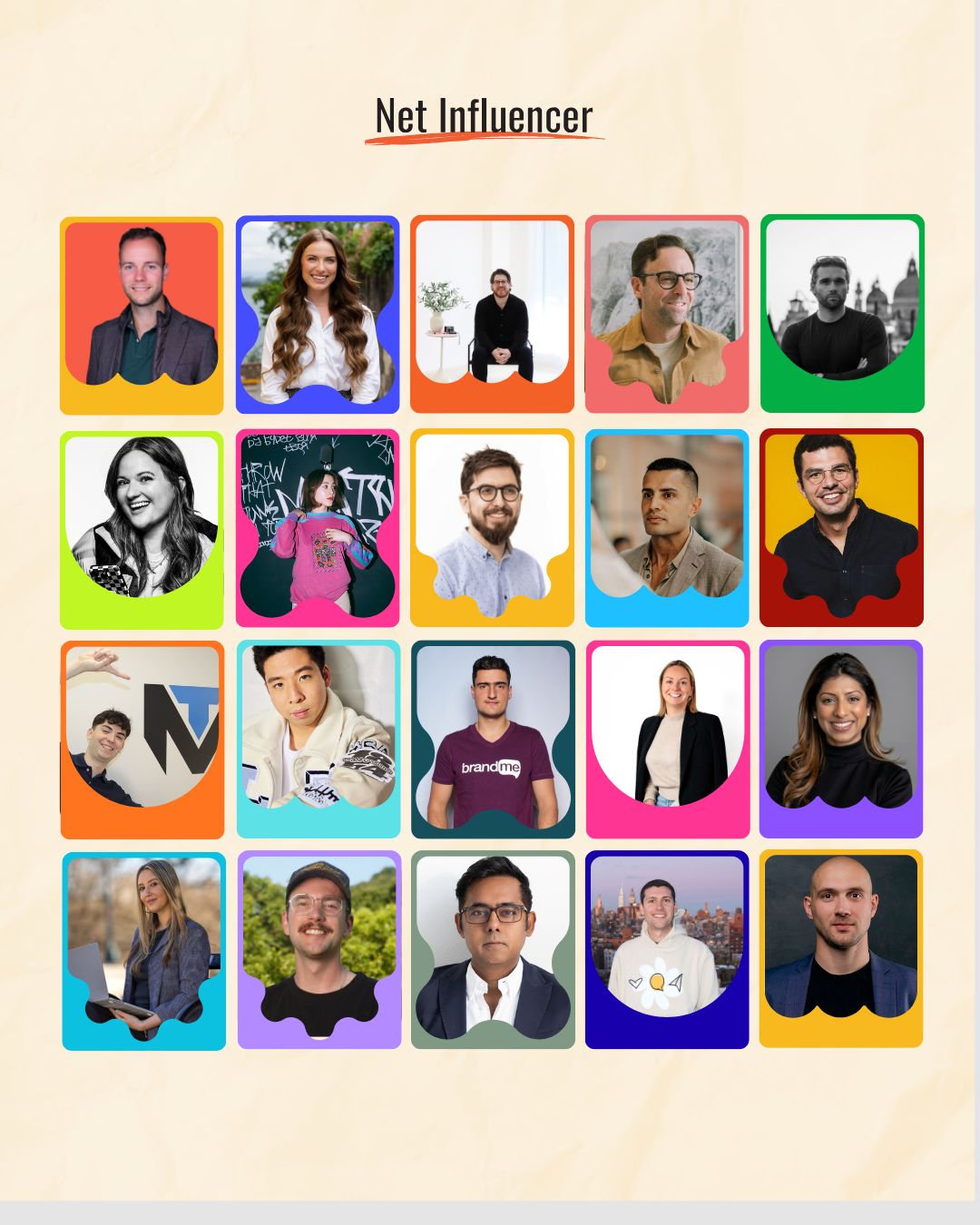
In this roundtable, 20 creator marketing professionals explain how brands should sequence affiliate recruitment, paid creator partnerships, incentives, and GMV Max spend during a TikTok Shop cold start.
Tobias Hoss, Senior Advisor, TopFan
Cold start on TikTok Shop is a sequencing problem, and most brands sequence it backwards.
Step one is paid partnerships, not affiliates. 15 to 25 mid-tier creators in the first 30 days, flat fees, full usage rights, aggressive content quotas. You’re not chasing ROAS yet. You’re feeding the algorithm enough signal to figure out who your buyer is.
Step two is affiliates, opened only after the paid content has shown you which hooks, formats, and creator profiles actually convert. Open programs launched cold are noise. Open programs launched with proof are gravity.
Step three is content incentives. Seeding, gifted product, performance bonuses for the affiliates that are already pulling weight. The flywheel starts paying for itself here.
Step four is GMV Max. Spending into a cold pixel is how brands convince themselves the channel doesn’t work.
Most brands run this in reverse, blame the channel, and move on. TikTok Shop worked. You just skipped the cold start.
Kate Fleming, Director of Influencer Marketing, PartnerCentric
GMV Max isn’t your growth engine. It’s the throttle, and most brands floor it before the car has an engine. The engine is conversion signal: creator content that actually sells. GMV Max just bids behind what’s already working and scales with volume. Point it at an empty library and it either won’t spend, or it burns budget learning nothing.
So the real work happens first: you manufacture the signal, then let automation open it up. Start narrow with one or two hero SKUs. Open an affiliate program early, seed product with eyes wide open that most creators won’t post, and lock a handful of flat-fee partnerships so you’re guaranteed baseline content. Watch what actually converts. As data comes in, graduate the creators who sell into clearer, better deals, and put paid support behind the posts that already move units. Only then do you turn up GMV Max.
This isn’t one-size-fits-all. Price changes the math, credibility and volume pull you in opposite directions, and you have to choose what you’re optimizing for. Brands rarely fail by sequencing wrong. They fail because they never choose what they’re optimizing for, and let the platform decide for them.
Dan Albert, CEO, 456 Growth
Don’t touch GMV Max until you have 15-20 organic videos with real conversion data – the algorithm needs signal before spend means anything. Start by enabling open collabs at 15-20% commission across your top SKUs so creators find you, rather than burning budget on outbound recruitment you can’t yet support. From that inbound activity, identify 3-5 creators who actually drove clicks or sales and lock them in with better rates and direct access – these become your proof points. Once you have that small ecosystem producing content, bring in one or two paid partnerships to buy velocity, not reach. That’s the moment GMV Max becomes a multiplier rather than a money pit.
Brandon Perlman, Founder & CEO, Social Studies, Inc.
GMV Max scales what already works. It can’t create the conversion signal it needs to optimize against, so leading with it just buys expensive impressions against an audience the platform hasn’t even started to learn yet.
The key: Sequence for proof, then volume, then scale.
Step 1: I would recommend starting with a small paid cohort. Five to ten mid or micro-tier creators who actually sell. This cohort is paid to produce the first wave of converting content. This should be treated as creative R&D. Brands have the opportunity to buy winning hooks and conversion data, not reach.
Step 2: Open affiliate recruitment around that proof. Affiliates will supply the content volume the algorithm rewards, and they show up when there’s real evidence a product moves. Hand them the hooks that already worked, generous samples, and tight briefs.
Step 3: Layer content incentives on top. Tiered commission, performance bonuses, and creator contests keep volume compounding instead of spiking once and dying.
Let GMV Max have the chance to earn its budget. Feed it proven creative and the conversion signal you’ve built, then let it scale what’s working.
Most brands try to “buy” momentum. When in reality it’s “built”. Proof first, volume second, paid amplification last.
Sam Royle, CEO, SoSquared
Success on TikTok Shop requires a strict nine-month commitment; if you aren’t patient enough to let the platform compound, don’t bother. Because GMV Max is algorithmic, it cannot function without existing data and assets. Paid ads will not save non-existent content.
Therefore, your cold start must be strictly sequenced. Begin by clearing the algorithmic threshold: post organically five times a week and seed products until you have at least 30 product-tagged videos live. Next, scale content volume by locking in larger creators on three-month retainers. This establishes social proof, attracting smaller affiliates whom you can then gamify using leaderboard competitions with cash prizes for the top ten performers.
Only after building this bedrock of over 100 content assets should you turn on GMV Max. Use the automated system to amplify your highest-converting affiliate videos, allowing the algorithm to optimize spend based on established data. Content feeds the algorithm, and the algorithm feeds GMV Max. It’s a compounding flywheel where content generated today can drive revenue for years to come.
Maren Hamilton, Senior Director, Marketing & Growth, Popfly
The right cold-start strategy depends entirely on how your buyers actually make decisions. For outdoor, travel, and adventure brands where trust is everything and purchase cycles are typically longer, throwing money at random TikTok Shop affiliates is a surefire way to burn budget and potentially even damage your brand reputation.
Spend more time upfront on creator recruitment, sourcing affiliates who have already built genuine credibility with their audience. That’s why we work with a network of trusted adventure creators: they’re the ones who can actually move the needle on a $500 tent or a $5,000 international trip, because their audience already trusts their judgment. Find the right creators, task them with volume, and then let the algorithm learn, not the other way around.
If you’re selling a lower price point item that typically sees more impulse buys, then by all means start with affiliate recruitment on the TikTok Shop platform. But if you’re selling gear or experiences that require real credibility? Start with trusted talent.
Katya Egorova, Campaign Manager, The Influencer Marketing Factory
Before launching TikTok Shop, a brand should already have some level of social presence and credibility. Consumers and affiliates are far more likely to trust a shop that has active social channels, consistent content, and a clear brand identity than a completely unknown storefront.
My recommended sequence would be:
Build content volume on your own channels first. Focus on organic TikTok content that aligns with platform trends while clearly communicating your brand values, product benefits, and target audience.
Recruit and activate a small group of carefully selected affiliates. At this stage, quality matters more than quantity.
Focus on retention before scale. Once you’ve identified a group of affiliates who genuinely like the product and are generating results, invest in those relationships. The most successful TikTok Shop brands don’t treat affiliates as one-time promoters. They turn them into long-term brand advocates. This can be done through additional incentives such as higher commission tiers, exclusive campaigns, flat-fee opportunities, early access to new product launches, or other rewards for top performers. In many cases, a smaller group of highly engaged affiliates who genuinely trust the brand will drive stronger and more consistent sales than hundreds of creators promoting the product solely for commission. Building loyalty among your affiliate base creates a flywheel effect: creators continue producing content, customers see repeated recommendations, and the platform receives stronger conversion signals, making it easier to scale through paid tools such as GMV Max later on.
Once you have a foundation of organic content and affiliate activity, start scaling further – through GMV Max, TikTok Shop campaigns, and other paid visibility tools. At that point, you’re amplifying signals that already exist rather than trying to create demand from scratch.
In my experience, a strong cold start is less about spending aggressively and more about building credibility first. Once both customers and creators trust the brand, the platform has much stronger signals to learn from and scale.
Vivien Garnès, Co-Founder & Co-CEO, Upfluence
A high-performing TikTok Shop cold start is less about finding a viral creator and more about generating enough content and conversion signals for the algorithm to learn quickly.
The sequence matters. Start with a broad affiliate recruitment focused on micro and mid-tier creators. The goal is content volume, audience diversity, and rapid testing, not just immediate revenue. Brands that can identify creators with strong engagement and a proven ability to drive purchase decisions gain an advantage at this stage.
Next, activate a small group of paid creators with a track record of driving TikTok Shop sales. These partnerships provide predictable content output and the initial conversion signals needed to accelerate the platform’s learning phase.
Once creators are active, introduce commission-based incentives tied to sales. Consistent creator activity is critical, and many brands struggle because creator momentum fades after launch.
Only then should brands scale GMV Max. Paid spend performs best when it amplifies proven creator content rather than compensates for a lack of signals. Brands should also look beyond TikTok Shop attribution, as creator content often drives incremental DTC and Amazon sales even when Shop conversions appear modest.
The winning playbook is clear: recruit affiliates first, seed momentum with paid creators, maintain activity through incentives, then use GMV Max to scale what’s already working, and look at full-funnel conversions.
Shawn Munir, Founder & CEO, Yamammi Influencer Marketing
Most brands blow budget on GMV Max before the account has any signal to optimize – that’s the mistake. Start with 10-15 micro affiliates, commission only. Let them post. You’re feeding the algorithm content and early GMV data, not chasing sales yet. Once you have converting videos, layer in GMV Max. Paid partnerships come after, when you can show creators proof it converts. Cold starts fail when brands treat it like a paid media problem. It’s a content seeding problem first.
Nicolas Bon, CEO,Clark Influence
A credible TikTok Shop cold start in 2026 is less about chasing scale immediately and more about creating enough signal for the algorithm to learn. I would start with a small group of paid creators to guarantee consistent content volume and generate the first conversion events. Once there is proof of performance, affiliate recruitment becomes much easier because creators can see real demand rather than promises.
The next step is layering incentives strategically, rewarding creators who drive sales while avoiding an overreliance on discounts that can distort performance signals. Only after a baseline of content and conversions exists would I increase GMV Max spend, using paid media to amplify proven creative rather than compensate for a lack of creator activity.
The biggest mistake brands make is trying to activate affiliates, paid creators, incentives, and media all at once. The most effective cold starts follow a sequence: create content, validate conversion, recruit affiliates, then scale distribution. Momentum is built through compounding signals, not just budget.
Vicente Mirasol Villalobos, CEO & Founder, TuManag3r
Most new brands launching on TikTok Shop make the same mistake: they spend on GMV Max expecting the algorithm to do the work. The algorithm doesn’t work that way. A credible cold-start strategy requires three things in order: First: creator ecosystem. Before you spend on GMV Max, you need creators who understand your product well enough to make authentic content. That means selective recruitment, not mass hiring. Find 20-30 tier 2-3 creators who already have conversion proof in your category. Pay for content, not affiliation initially. Second: data. Once you have content volume, GMV Max learns which creators convert best, which angles work, which audiences buy. Without prior content volume, GMV Max is wasted spend. Third: scale with data. Once the algorithm understands your account, that’s when you scale with GMV Max and paid partnerships with creators you’ve already tested and proven to work. The mistake is thinking advertising money solves the lack of ecosystem. Money without strategic content is noise. Authentic content from the right creators, followed by smart capital, is what the algorithm actually rewards in 2026.
Dylan Huey, CEO, REACH
A credible cold-start strategy in 2026 starts with volume, but not random volume. Brands need to build a controlled content engine before they expect the algorithm or GMV Max to do the work.
The right sequence is: first, recruit a broad base of affiliates with low friction, clear incentives, and strong creative direction. Second, layer in paid partnerships with a smaller group of creators who can produce higher-quality proof points and give the account early credibility. Third, use content incentives to reward creators for posting consistently, not just for driving immediate sales. At the cold-start stage, the goal is to teach the platform what content angles, creator types, and audiences convert.
Only after there is enough signal should brands meaningfully scale GMV Max. Spending too early can waste budget because the platform has not learned which creative or audience pockets are actually working. The best cold starts combine creator volume, fast testing, and disciplined paid amplification once the winners become clear.
Gerardo Sordo, CEO & Founder, BrandMe
A successful TikTok Shop cold start in 2026 is no longer about finding one viral creator – it’s about engineering enough content signals for the algorithm to identify winning audiences and purchase behaviors as quickly as possible.
We typically recommend a phased approach: first, activate a large volume of nano and micro creators through affiliate programs and product seeding to generate authentic content at scale. Second, identify top-performing content and amplify it through paid partnerships and Spark Ads. Third, use GMV Max to scale proven creatives once conversion signals begin to accumulate.
The biggest mistake brands make is allocating most of their budget to media before generating enough creator content. On TikTok Shop, content is the fuel, creators are the distribution network, and paid media is the accelerator. The brands that win are the ones that build all three simultaneously from day one.
Paige Kelly, General Manager, Creator, Later
For example, most TikTok Shop launches fail because brands focus on media spend before they have enough creator content. The algorithm rewards momentum, but momentum comes from content volume and creator participation.
A strong cold-start strategy starts with recruiting creators before scaling spend. Brands should focus on building a mix of affiliate partners and paid creator relationships that can generate a high volume of authentic content. Once you identify which creators, products, and messages are driving engagement and conversions, that’s when you can begin layering in GMV Max and paid amplification.
Too many brands try to buy growth before they’ve earned it. The brands that win on TikTok treat creator content as the growth engine and paid media as the accelerator. The goal isn’t to generate a viral moment. It’s to create a repeatable system that continuously produces content, learns from performance data, and builds momentum over time.
Monica Khan, Founder & CEO, Creator Revolution
The mistake I see most brands make is treating TikTok Shop like a media-buying problem. It’s really a creator ecosystem problem. Early on, your goal isn’t scale, rather, it’s generating enough creator content and enough sales for TikTok to understand who your customer is. Once you find creators and creative angles that convert, GMV Max can pour fuel on the fire. But if you start with spend before you’ve established those signals, you’re often paying to learn what creators could have taught you organically.
Libby Shayo, Creator, Strategist, and Founder, Libby Amber Shayo Creative LLC
A credible TikTok Shop cold-start strategy in 2026 starts with building a creator ecosystem before relying on paid media. The algorithm rewards momentum, but momentum comes from content volume, so the first priority is getting as many relevant creators as possible posting about the product. I would focus initially on affiliate recruitment, product seeding, and UGC creation, aiming to generate dozens of pieces of content before making significant ad investments. Once enough creators are posting, the goal is to identify which hooks, angles, and creator types are actually driving engagement and conversions.
Ryan Waranauskas, VP of Creator Media, Superfiliate
You can recruit 500 creators in your first month, the volume is available and the platform is full of creators willing to try a new brand out. The question is what happens to those 500 creators 30 days in and beyond. The brands building the best TikTok Shop programs treat recruitment as the start of a relationship, not just a way to curate content. Real engagement from the brand side, regular feedback on content, first looks at new products, the occasional prize or incentive for the top performers, all of it signals that more content gets you more involvement in the brand’s world, not just more commission. That’s what turns a creator into a sales advocate instead of just an affiliate. Affiliate referrals, paid ad commissions, and exclusive perks are tiers your affiliates actively want to climb. When you start to treat every creator relationship from the lens of lifetime value, you start to build a truly engaged creator community that turns affiliates into a sales-driving machine.
Gautam Goswami, CEO, POP.STORE
A credible launch strategy in 2026 starts with a small group of creators who genuinely believe in the product. The goal isn’t to find the biggest creators. It’s to find the creators who already have credibility with the audience you’re trying to reach.
Before spending heavily on paid media, brands should focus on building an ambassador community rather than a creator roster. Ambassadors create content because the product fits naturally into their lives and resonates with their audience. The goal at this stage isn’t scale, it’s generating authentic conversations and learning what messaging drives trust and engagement.
Once those ambassadors are producing content that drives engagement and conversion, brands can layer in paid partnerships and creator incentives to increase volume. Only after there is enough content and audience response for the platform to learn should brands begin scaling spend through solutions like GMV Max.
Too many brands reverse the order and try to buy momentum before they’ve established trust. The strongest creator ecosystems are built through community first, amplification second. When creators feel ownership and audiences feel connected to the story, paid media becomes an accelerant rather than a crutch.
Ian Ettinger, Co-Founder, Daisy
Brands traditionally approach cold-start strategies under the assumption that more content equals traction, whether that means hiring content creators or stretching internal teams to produce new assets. However, most brands already have a full library of content they’ve invested time and money into creating, and aren’t taking full advantage of. To build momentum, brands should focus their creator ecosystem on distribution over creation – meaning they should utilize creators to amplify their existing content as a proactive strategy. Leveraging creator networks to amplify content allows brands to generate early engagement, accelerate discovery, and maximize the ROI on the content they’ve already produced. While affiliate programs, paid partnerships, and creator incentives will continue to play an important role, the brands that break through in increasingly crowded feeds will be the ones focused on turning existing content into sustained attention.
Andrii Salii, YouTube Strategist, MIA Studio
The biggest mistake in a cold start is focusing on tools before proving value.
Whether you’re a solo creator, a brand, or a marketing department, affiliate programs, paid partnerships, content incentives, and GMV Max are amplification tools, not the foundation.
Before scaling, you need three things:
Clear content pillars.
A simple value proposition that can be explained in one sentence.
A recognizable visual identity and content format.
The audience should understand the value of your content within seconds. You’re competing against thousands of videos in the feed, so immediate relevance is critical.
My recommendation is to start with organic testing first. Publish enough content to identify what generates retention, engagement, shares, and watch time. Refine your messaging, formats, and hooks until you find repeatable winners.
Only after you have proven content should you scale distribution. At that point, recruit affiliates around proven offers, activate paid partnerships to extend reach, introduce creator incentives to increase content volume, and use GMV Max to amplify what is already working.
Momentum doesn’t come from spending first – it comes from finding product-content fit and then accelerating it with the right tools.
Subscribe to Our Newsletter
Check Out Our Podcast